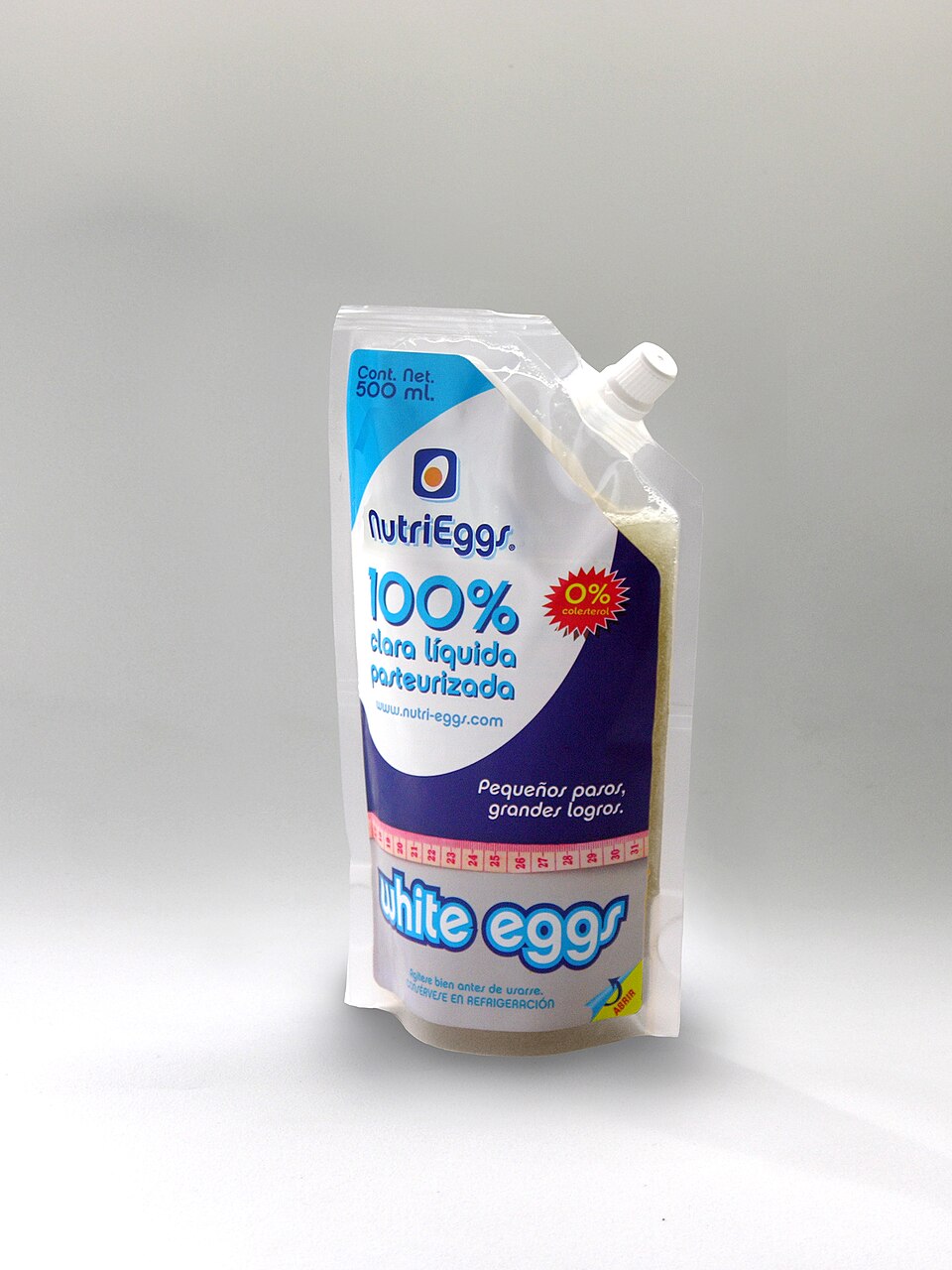
The allure of creamy homemade mayonnaise, delicate royal icing, rich hollandaise, or decadent chocolate mousse often comes with a whisper of caution: raw eggs. While these culinary delights are irresistible, the potential risk of foodborne illness from Salmonella bacteria can give even seasoned home cooks pause. But what if you could enjoy these exquisite dishes with complete peace of mind? The good news is, you can! Learning how to pasteurize eggs safely at home opens up a world of raw egg recipes, allowing you to create them confidently and conveniently.
Pasteurization is a simple heat treatment process that eliminates harmful pathogens like Salmonella without fully cooking the egg. While you can purchase pasteurized eggs in some grocery stores, they might not always be available, or they can be more expensive. Mastering the technique yourself not only saves money but also gives you control over the freshness and quality of your ingredients.
Why Consider Pasteurizing Your Eggs at Home?
The primary reason for pasteurizing eggs is to protect against Salmonella, a common bacterium that can cause food poisoning. We often associate Salmonella with poultry meat, but it can also be present in raw or undercooked eggs. This bacterium can reside both on the exterior of the eggshell and, more concerningly, within the egg itself.
The Salmonella Threat: Understanding the Risk
Even though commercial egg production in the U.S. has stringent safety measures, and the overall risk is relatively low compared to the billions of eggs consumed annually, the Centers for Disease Control and Prevention (CDC) still advises against consuming raw or undercooked eggs. Why take the chance, especially when preparing dishes for vulnerable individuals like children, the elderly, pregnant women, or those with compromised immune systems?
Some people believe farm-fresh eggs are inherently safer, but this isn't entirely true. While they might bypass some commercial handling, Salmonella can still infect the hen and, subsequently, the egg internally. Cracks in the shell, even hairline ones, can also allow surface bacteria to enter the egg once broken. For a deeper dive into why pasteurization is essential, especially for raw dishes, you can explore our article: Why Pasteurize Eggs? Protect Against Salmonella in Raw Dishes.
Unlocking Culinary Confidence
By pasteurizing your eggs, you remove the guesswork and worry. This simple step empowers you to confidently prepare a wide array of classic and modern recipes that call for raw eggs, including:
- Creamy homemade Mayonnaise and Aioli
- Fluffy Royal Icing for cookies and cakes
- Rich Hollandaise or Béarnaise sauce
- Decadent Chocolate Mousse or Tiramisu
- Classic Caesar Salad dressing
- Eggnog and other festive drinks
Beyond safety, pasteurizing at home can also be more cost-effective than buying pre-pasteurized options, especially if you frequently cook with raw eggs. It also ensures you always have the option available, regardless of local store stock.
The Science Behind Safe Home Egg Pasteurization
At its core, pasteurization involves heating food to a specific temperature for a set amount of time to kill harmful microorganisms, then rapidly cooling it to prevent further bacterial growth. The goal is to eliminate pathogens without altering the food's desirable qualities, such as texture or flavor.
Why Out-of-Shell is the ONLY Safe Home Method
You might encounter various home pasteurization methods online, some suggesting submerging eggs in their shells in hot water or using a sous vide circulator. However, food safety experts widely advise against these in-shell methods for home use. The reason? It's incredibly difficult to ensure the entire egg, particularly the yolk, reaches and holds the necessary pasteurization temperature without fully cooking it or creating unsafe temperature zones.
Uneven heating, inconsistent water temperatures, and the insulating properties of the shell make these methods unreliable for killing bacteria effectively. The only truly dependable and safe way to pasteurize eggs at home, according to food safety guidelines, is *out of the shell*, usually combined with an ingredient from your recipe. For a detailed explanation of why other methods fall short, check out our guide: The Only Safe Way to Pasteurize Eggs at Home (No Sous Vide!).
Key Temperature Targets for Home Pasteurization
When pasteurizing eggs out of the shell, the generally accepted safe temperature for effectively eliminating Salmonella while maintaining a raw-like consistency is 160°F (71°C). This temperature applies whether you're pasteurizing whole eggs, egg whites, or egg yolks, especially when they are combined with a portion of the liquid or sugar from your recipe. This combination helps to stabilize the egg proteins, allowing them to reach the necessary temperature without scrambling.
The trick is to reach this temperature and then either use the eggs immediately or cool them quickly. The eggs will retain their liquid, raw consistency, making them perfect for your recipes.
Step-by-Step Guide: How to Safely Pasteurize Eggs at Home
This method focuses on pasteurizing eggs over low heat, incorporating some liquid or sugar from your recipe to help stabilize the egg proteins and prevent scrambling.
Gather Your Tools and Ingredients:
- Fresh Eggs: The fresher, the better for optimal texture and flavor.
- Saucepan or Heatproof Bowl: A heavy-bottomed saucepan is ideal for even heat distribution. If pasteurizing only egg whites, a heatproof bowl set over a pan of simmering water (bain-marie method) is often preferred to prevent scorching.
- Whisk or Silicone Spatula: Essential for continuous stirring and scraping the bottom of the pan.
- Reliable Instant-Read Thermometer: This is your most critical tool. Accuracy is paramount.
- Small Portion of Recipe Liquid or Sugar: This is crucial. For example, if making mayonnaise, use a tablespoon of the lemon juice or vinegar. If making royal icing, use a small amount of the powdered sugar. This helps raise the temperature safely without scrambling the eggs.
- Ice Bath (Optional, but Recommended): A bowl of ice water for rapid cooling if you're not using the eggs immediately.
The Pasteurization Process:
- Prepare Your Eggs: Carefully crack your eggs into the saucepan or heatproof bowl. You can pasteurize whole eggs, just whites, or just yolks, depending on your recipe.
- Add Recipe Ingredient: Incorporate a small amount of the liquid or sugar from your recipe. This significantly aids in stabilizing the egg proteins, allowing them to reach a higher temperature without coagulating prematurely.
- Set Up for Heat:
- For whole eggs or yolks: Place the saucepan directly over low heat on your stovetop.
- For egg whites: Place your heatproof bowl over a saucepan of simmering water (ensure the bottom of the bowl does not touch the water). This gentler indirect heat is often better for whites.
- Heat Slowly with Constant Stirring: This is the most crucial step. Turn the heat to low. Begin whisking or stirring the egg mixture continuously. Use your silicone spatula to scrape the bottom and sides of the pan or bowl to prevent any egg from sticking and cooking. Your goal is to heat the mixture gently and evenly.
- Monitor Temperature Closely: Continuously check the temperature of the egg mixture with your instant-read thermometer. Keep stirring until the mixture consistently reaches 160°F (71°C). Do not exceed this temperature for too long, as it will start to cook the eggs.
- Remove from Heat and Proceed: Once the eggs reach 160°F (71°C), immediately remove them from the heat. At this point, they are safely pasteurized and ready for use in your recipe.
Tips for Success:
- Patience is Key: Don't rush the heating process. Low and slow heat with constant stirring is essential to prevent scrambling.
- Always Use a Thermometer: Guessing temperatures is not an option for food safety. An accurate thermometer is non-negotiable.
- Cleanliness: Ensure all your equipment is clean and sanitized to avoid cross-contamination.
- Rapid Cooling (If Not Using Immediately): If your recipe requires cold eggs, immediately transfer the pasteurized eggs to a clean bowl and place it into an ice bath. Stir occasionally until the eggs are thoroughly chilled. This stops the cooking process and prevents bacterial growth.
Beyond Pasteurization: Storing Your Safely Prepared Eggs
Once you've pasteurized your eggs, it's best to use them immediately in your recipe. If you need to store them, transfer the cooled mixture to a clean, airtight container and refrigerate promptly. While pasteurization significantly reduces bacterial load, it doesn't make the eggs immortal. Treat them like any other fresh, perishable ingredient. For optimal safety and quality, aim to use them within 2-3 days.
Conclusion: Enjoying Raw Egg Recipes with Confidence
Learning how to pasteurize eggs at home is a valuable skill for any culinary enthusiast. It removes the apprehension associated with raw egg consumption, allowing you to fearlessly explore and enjoy a world of delicious, creamy, and delicate recipes. By following the simple, out-of-shell stovetop method with a reliable thermometer and constant stirring, you can ensure your homemade mayonnaise, royal icing, hollandaise, and other favorite dishes are not only delectable but also perfectly safe for everyone to enjoy. Embrace the confidence that comes with knowing you've taken the necessary steps for optimal food safety in your kitchen.
