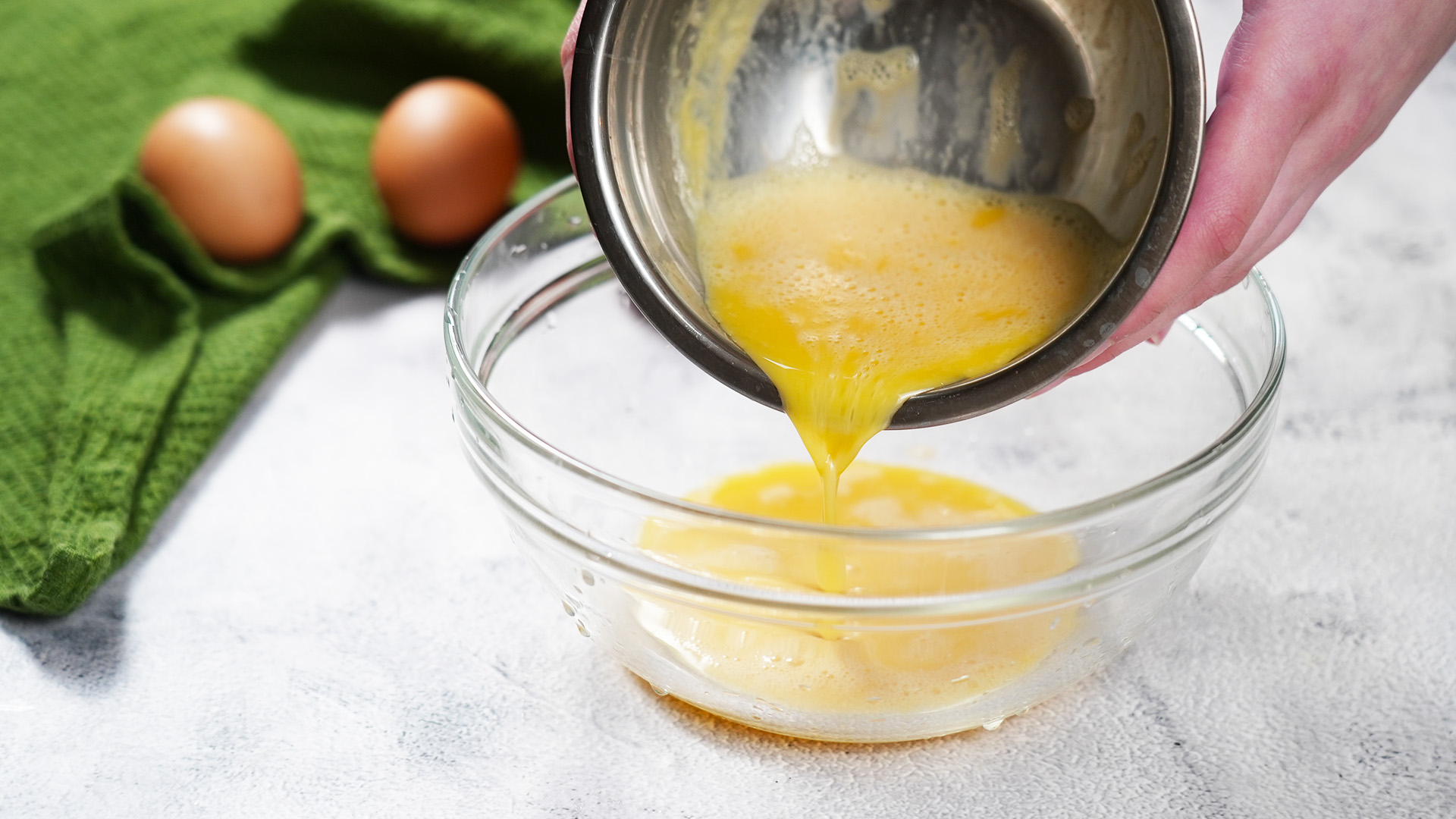
The allure of a velvety homemade mayonnaise, a cloud-like chocolate mousse, or a perfectly rich hollandaise sauce is undeniable. Many of these culinary masterpieces share a common, often intimidating, ingredient: raw or lightly cooked eggs. For those who love to cook and bake, the concern about foodborne illnesses like salmonella can often put a damper on these delightful creations. But what if you could enjoy these recipes with complete peace of mind? The good news is, you can! This comprehensive guide will walk you through how to pasteurize eggs safely at home, focusing on the only truly reliable method that doesn't require specialized equipment like a sous vide machine.
Why Pasteurize Eggs? Understanding the Risk
You might be wondering: why bother with pasteurization at all? The primary reason is to protect against salmonella. While often associated with raw chicken, this common bacteria can also be present in and on eggs. Even the freshest farm eggs aren't immune. Many believe that the eggshell offers complete protection, but this is a misconception. Salmonella can exist on the outer shell and easily transfer to the egg's interior once cracked. More concerning, salmonella can also be present *inside* the egg itself, meaning even a pristine, unbroken shell isn't a guarantee of safety.
While the overall risk of salmonella infection from commercially produced eggs in the U.S. is relatively low compared to the sheer volume of eggs consumed, the Centers for Disease Control and Prevention (CDC) still advises caution. For individuals with weakened immune systems, young children, pregnant women, and the elderly, the consequences of a salmonella infection can be severe. This makes pasteurization a critical step for anyone who wants to enjoy those tempting recipes that feature raw or undercooked eggs, such as:
- Creamy Caesar salad dressing
- Homemade mayonnaise and aioli
- Classic hollandaise and béarnaise sauces
- Fluffy royal icing for decorative baking
- Decadent chocolate mousse
- Eggnog (especially homemade versions)
- Certain homemade ice cream bases
Pasteurizing eggs involves heating them to a specific temperature that is sufficient to kill dangerous pathogens like salmonella, without fully cooking the egg. This process renders the eggs safe for consumption in raw or lightly cooked applications, allowing you to enjoy your favorite dishes without the underlying worry.
Store-Bought vs. Homemade Pasteurization: Your Options
Before diving into the home method, it's worth noting that you do have options for obtaining pasteurized eggs:
- In-Shell Pasteurized Eggs: Some grocery stores carry eggs that have been pasteurized while still in their shells. These are usually found in the refrigerated section alongside regular eggs and will be clearly labeled. They are a convenient option but might not be available at all stores and can be more expensive than conventional eggs.
- Liquid Pasteurized Eggs: You can also find pasteurized liquid whole eggs, egg whites, or egg yolks sold in cartons. These are excellent for recipes that call for whole eggs or specific components without needing separation. For instance, carton pasteurized egg whites are a popular choice for meringues or royal icing, ensuring safety and convenience. However, they are generally not suitable for recipes where the texture of a freshly cracked whole egg is crucial, or if you only need a small amount of a specific component and don't want to open a whole carton.
While commercially pasteurized eggs offer convenience, learning how to pasteurize eggs at home can be a more cost-effective and flexible solution, especially if you regularly make recipes requiring raw eggs or need to pasteurize specific components like just the yolks or whites for a particular dish. It also ensures you always have pasteurized eggs on hand, even if your local store doesn't stock them.
The ONLY Safe Method: Pasteurizing Eggs Out of the Shell
When it comes to how to pasteurize eggs at home, there's a lot of misinformation online. You might encounter methods suggesting submerging eggs in their shells in hot water or using a sous vide circulator for extended periods. However, food safety experts widely agree that these in-shell methods are not reliably safe for home use. The main issue is the inconsistent heat transfer through the shell, making it difficult to ensure the entire egg's interior reaches and holds the necessary temperature to kill pathogens without partially cooking it. For consistent and proven results, the only truly dependable method is to pasteurize eggs out of the shell on the stovetop.
This method ensures direct, even heat distribution, allowing you to accurately monitor the internal temperature. Here’s a detailed, step-by-step guide:
What You'll Need:
- Fresh, raw eggs (whites, yolks, or whole, depending on your recipe)
- A heavy-bottomed saucepan (for yolks/whole eggs) or a heatproof bowl and a pot for a double boiler setup (ideal for whites)
- A reliable instant-read thermometer (crucial for accuracy)
- A silicone spatula or whisk for constant stirring
- A portion of liquid (e.g., water, lemon juice, cream) or sugar from your recipe (this is key to prevent scrambling!)
Step-by-Step Instructions:
- Prepare Your Eggs: Carefully crack your eggs into the saucepan or heatproof bowl. If your recipe calls for separated whites or yolks, do this now.
- Add Recipe Ingredients: This is a critical step that many overlook. To prevent the eggs from scrambling, incorporate a portion of the liquid or sugar called for in your final recipe. For example, if making hollandaise, add a tablespoon or two of lemon juice; for royal icing, add some of the powdered sugar or a small amount of water. This helps to stabilize the proteins and allows for higher heating without coagulation.
- Set Up for Heat:
- For Yolks or Whole Eggs: Place the saucepan directly over low heat on your stovetop.
- For Egg Whites (Recommended): Use a double boiler setup. Fill a larger pot with an inch or two of simmering water, then place your heatproof bowl containing the egg whites (and sugar/liquid) on top, ensuring the bottom of the bowl does not touch the water. The steam will provide gentle, even heat.
- Heat and Stir Constantly: Begin heating the eggs over low to medium-low heat. Using your silicone spatula or whisk, stir the mixture continuously. Scrape the bottom and sides of the pan or bowl diligently to prevent any parts from overheating and cooking. This constant motion is vital for even pasteurization and preventing lumps.
- Monitor Temperature: Insert your instant-read thermometer into the egg mixture. Continue stirring and heating until the eggs reach 160°F (71°C). For egg yolks, some sources suggest a slightly lower temperature (e.g., 138°F), but reaching 160°F is the generally accepted safe internal temperature for pasteurization across all egg components, ensuring all pathogens are neutralized without scrambling if stirred correctly.
- Immediately Remove from Heat: As soon as the mixture hits 160°F, remove the pan or bowl from the heat. The eggs will still have a raw-like consistency, perhaps slightly thickened, but they should not be scrambled or lumpy.
- Proceed or Chill: If your recipe calls for warm eggs (like a hollandaise), you can proceed directly. If the recipe requires cold eggs (like mayonnaise or mousse), immediately transfer the pasteurized eggs to a clean, cold bowl and chill them quickly over an ice bath to stop the cooking process. Once cooled, you can use them as normal.
Tips for Success:
- Invest in a Good Thermometer: This is non-negotiable. An accurate instant-read thermometer is your best friend for safe pasteurization.
- Go Low and Slow: Resist the urge to crank up the heat to speed things along. Low, gentle heat and constant stirring are the keys to success and preventing scrambled eggs.
- Scrape Every Surface: Ensure you're scraping the entire bottom and sides of your pan or bowl to prevent any egg from sticking and cooking prematurely.
- Don't Overcrowd: Work with manageable batches of eggs if pasteurizing a large quantity.
- Trust the Process: It might feel like you're just cooking the eggs, but with proper temperature control and constant stirring, they will remain liquid and ready for your raw egg recipes.
By following these steps, you can confidently prepare your own safely pasteurized eggs at home, opening up a world of culinary possibilities without compromising on food safety.
Common Mistakes to Avoid When Pasteurizing Eggs
While the stovetop method is straightforward, a few common pitfalls can lead to less-than-ideal results or, worse, an unsafe product. Awareness of these mistakes can help you achieve perfect pasteurized eggs every time:
- Ignoring the Thermometer: Guessing the temperature is the biggest mistake. Without an accurate instant-read thermometer, you risk not reaching the pasteurization temperature (leaving pathogens alive) or overheating (scrambling your eggs).
- High Heat and Lack of Stirring: This combination is a recipe for disaster. High heat quickly cooks the egg proteins, and without constant stirring, parts of the egg mixture will stick to the bottom of the pan and scramble before the rest of the mixture reaches the target temperature. Always use low heat and stir continuously.
- Attempting In-Shell Pasteurization: As discussed, methods that involve heating eggs in their shells are unreliable for home use. The shell acts as an insulator, making it extremely difficult to ensure the entire internal volume of the egg reaches and holds the necessary pasteurization temperature. Stick to out-of-shell methods for guaranteed safety.
- Omitting Liquid or Sugar: Trying to pasteurize plain egg whites or yolks without any liquid or sugar from your recipe makes them much more prone to scrambling. These additional ingredients help stabilize the egg proteins, allowing them to withstand the heat without coagulating.
- Not Cooling Promptly: If your recipe requires cold pasteurized eggs, failing to cool them quickly can allow residual heat to continue cooking them, altering their texture. An ice bath is ideal for rapid cooling.
Conclusion
No longer do you need to shy away from those delectable recipes that call for raw eggs. By understanding how to pasteurize eggs safely at home using the reliable stovetop method, you unlock a new level of culinary confidence. This simple process, involving careful temperature monitoring and constant stirring, effectively eliminates the risk of salmonella while preserving the eggs' raw texture, making them perfect for everything from rich custards to airy meringues. With a few basic tools and a little patience, you can transform ordinary eggs into a safe, versatile ingredient, ready to elevate your cooking and baking to professional standards. So, grab your thermometer, crack those eggs, and start creating delicious, worry-free dishes today!
