Why Pasteurize Eggs? Protect Against Salmonella in Raw Dishes
There's an undeniable allure to recipes featuring raw or lightly cooked eggs. From the silken richness of homemade mayonnaise and the airy delight of a classic chocolate mousse to the velvety embrace of hollandaise sauce or the perfect sheen of royal icing, these dishes often represent the pinnacle of culinary art. Yet, for many home cooks, the thought of consuming raw eggs comes with a lingering concern: Salmonella. This widespread bacterium is a well-known culprit behind foodborne illnesses, and while often associated with poultry, it can also contaminate eggs.
So, why take the risk when you don't have to? The answer lies in pasteurization. Learning how to pasteurize eggs at home opens up a world of culinary possibilities, allowing you to enjoy these beloved recipes with confidence and peace of mind. It’s a simple, effective process that eliminates dangerous pathogens without compromising the egg's integrity or performance in your recipes.
Understanding the Salmonella Threat in Eggs
The question "why pasteurize eggs?" fundamentally comes down to protecting against salmonella. While commercially produced eggs in the U.S. undergo stringent inspection processes, and the overall risk of encountering a salmonella-contaminated egg is relatively low compared to the billions produced annually, the risk is never zero. The Centers for Disease Control and Prevention (CDC) consistently advises against consuming raw or undercooked eggs due to the potential for salmonella infection.
What is Salmonella? Salmonella is a genus of bacteria that can cause salmonellosis, a common type of food poisoning. Symptoms typically include fever, diarrhea, nausea, vomiting, and abdominal cramps. While most healthy individuals recover without specific treatment, salmonellosis can be severe and even life-threatening for vulnerable populations, such as young children, the elderly, and those with weakened immune systems.
Many people associate salmonella primarily with chicken meat, but eggs pose a unique challenge because the bacteria can be present in two ways:
- External Contamination: Salmonella can exist on the outer surface of the eggshell. If the shell is cracked or if the egg isn't handled properly, the bacteria can transfer to the edible portion once the shell is broken.
- Internal Contamination: More concerning, salmonella can be present inside an egg, even before the shell is formed. This occurs when a hen carrying the bacteria passes it directly into the egg during its formation. This means even pristine, farm-fresh eggs with intact shells are not inherently immune to salmonella contamination.
Given these possibilities, relying solely on the appearance or source of an egg isn't enough to guarantee safety when preparing raw or lightly cooked dishes. This is precisely why pasteurization becomes an invaluable tool in your kitchen arsenal.
Unlock Culinary Freedom: Recipes Made Safe with Pasteurized Eggs
The thought of swearing off your favorite Caesar salad, a decadent homemade tiramisu, or a rich crème brûlée just because it calls for raw eggs can be disheartening. Thankfully, with pasteurized eggs, you don't have to. Pasteurization is the process of heating a food to a specific temperature for a set amount of time to kill harmful bacteria, like salmonella, without significantly altering its flavor or texture.
Popular Raw Egg Recipes You Can Safely Enjoy:
- Homemade Mayonnaise & Aioli: Achieve that superior, fresh taste without worry.
- Hollandaise & Béarnaise Sauce: Perfect for eggs benedict or steak, these delicate sauces traditionally use raw yolks.
- Royal Icing: Essential for decorating cookies and cakes, often made with raw egg whites.
- Mousses & Tiramisu: Many classic dessert recipes rely on the airy structure provided by raw egg yolks or whites.
- Caesar Salad Dressing: The traditional dressing often includes raw egg yolk for its emulsifying properties.
- Cookie Dough & Cake Batter: For those who love to sneak a taste before baking, pasteurized eggs offer a safer indulgence.
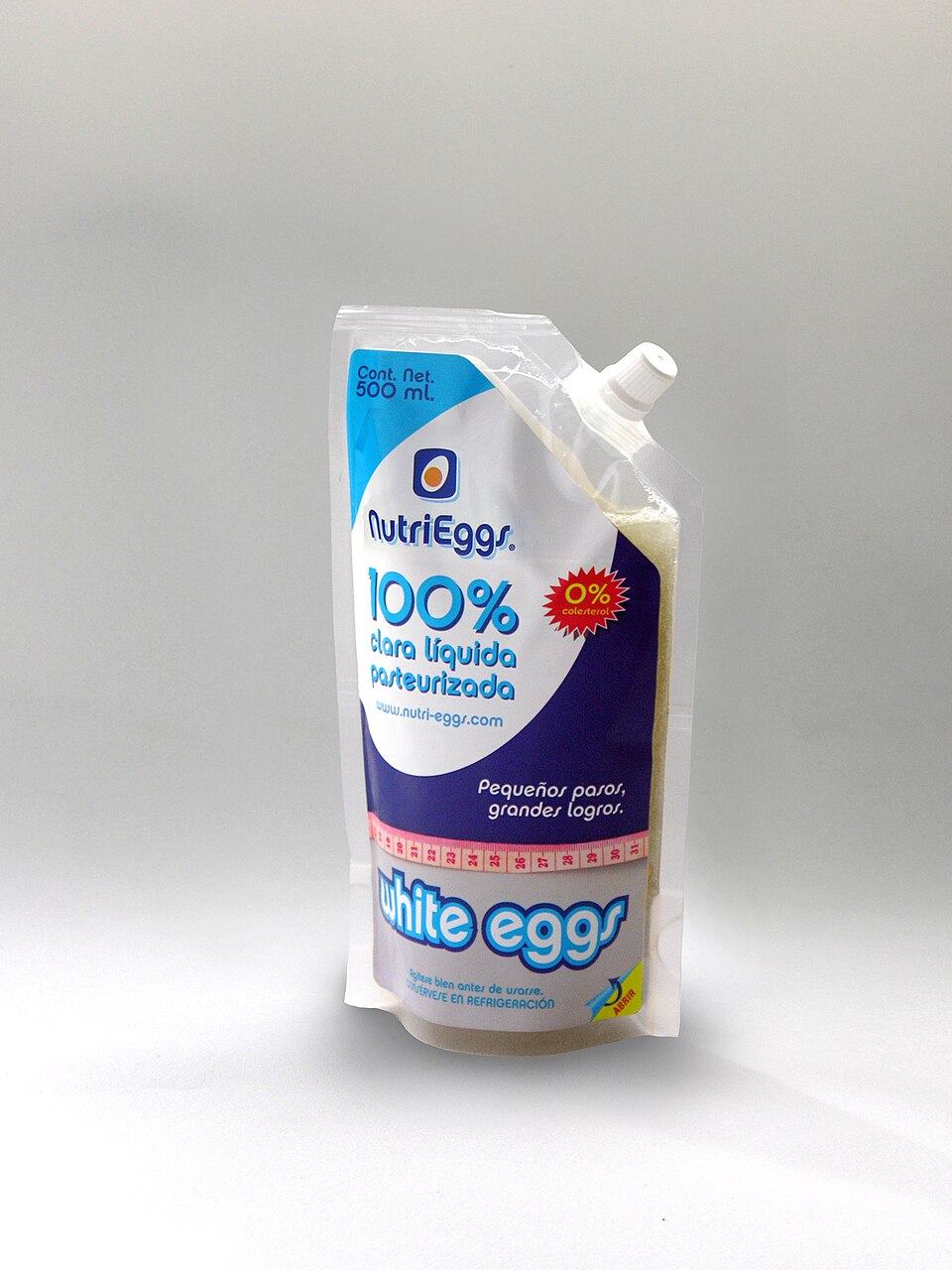
While you can buy pasteurized eggs at some grocery stores (either in-shell or as liquid whole eggs/whites in cartons), they might not always be available, and often come at a higher cost. Furthermore, liquid egg products are not always suitable for recipes that require separating yolks and whites, or for recipes where the subtle nuances of fresh, separated eggs are crucial. This is where knowing how to pasteurize eggs at home becomes incredibly convenient and cost-effective.
How to Pasteurize Eggs at Home: The Only Safe & Reliable Method
When it comes to pasteurizing eggs at home, precision and the correct technique are paramount. There are many methods circulating online, including submerging whole eggs in hot water or using a sous vide machine to heat eggs in their shells. However, food safety experts widely agree that these in-shell methods are not reliably safe for home use. The main reasons are inconsistent heat transfer through the shell and the difficulty of accurately measuring the internal temperature of the yolk, which is critical for pathogen elimination.
The only surefire, food-safe way to pasteurize eggs at home is out of the shell. This method allows for direct and consistent heat application, ensuring that the entire egg reaches the necessary temperature to kill salmonella and other harmful pathogens.
Step-by-Step Guide to Safe Home Egg Pasteurization:
- Gather Your Tools: You'll need a heavy-bottomed saucepan (or a heatproof bowl over a pan of simmering water for whites), a silicone spatula or whisk, and a reliable instant-read thermometer.
- Prepare Your Eggs: Separate your eggs into yolks, whites, or crack whole eggs into the saucepan or bowl, depending on your recipe's requirements.
- Add Recipe Liquids/Sugar: This is a crucial step! To prevent the eggs from scrambling, always add a portion of the liquid or sugar called for in your recipe directly to the eggs before heating. This dilutes the egg proteins and raises the scrambling temperature. For example, if making royal icing, add some of the sugar. For mayonnaise, some of the lemon juice or vinegar.
- Gentle Heat, Constant Stirring: Place the saucepan over low heat. If using a double boiler setup for whites, ensure the water in the bottom pan is simmering gently and not touching the bottom of the bowl. Stir the egg mixture continuously with your silicone spatula, making sure to scrape the bottom and sides of the pan/bowl to prevent sticking and localized cooking.
- Monitor Temperature Carefully: Continue stirring and heating until the egg mixture reaches 160°F (71°C). For egg yolks specifically, some chefs aim for 138°F (59°C), but 160°F is a universally safe target that ensures optimal pathogen kill for all egg components (whites, yolks, or whole eggs) without significant risk of scrambling, especially with the added liquid/sugar. Use your instant-read thermometer to check the temperature frequently.
- Immediate Use or Rapid Cooling: Once the eggs reach 160°F, immediately remove them from the heat. They are now pasteurized and ready for your recipe. If your recipe requires cold eggs, transfer them to a clean, shallow bowl and place it over an ice bath (a larger bowl filled with ice and a little water) to cool them down rapidly. Stir occasionally to ensure even cooling, then refrigerate until needed.
Important Tip: Do not rush the heating process. Low and slow is key to avoiding scrambled eggs. The continuous stirring helps distribute heat evenly and prevents curdling. With practice, you'll master this technique, opening up a world of safe and delicious culinary creations.
Beyond Pasteurization: A Holistic Approach to Egg Safety
While learning how to pasteurize eggs at home is a significant step towards ensuring food safety in raw egg dishes, it's part of a broader commitment to safe food handling. To further minimize risks, always adhere to general food safety guidelines:
- Proper Storage: Store eggs in their original carton in the coldest part of your refrigerator, typically not in the door, to maintain consistent temperature and protect them from absorbing odors.
- Check Expiration Dates: Always use eggs before their expiration date.
- Cleanliness: Wash your hands thoroughly before and after handling eggs. Clean and sanitize all surfaces, utensils, and equipment that come into contact with raw eggs.
- Avoid Cross-Contamination: Keep raw eggs and dishes containing them separate from ready-to-eat foods to prevent the spread of bacteria.
- Discard Cracked Eggs: Never use eggs with cracked shells, as bacteria can easily enter through these openings.
By combining safe egg purchasing and storage practices with the effective technique of home pasteurization, you empower yourself to create extraordinary dishes without compromise. This knowledge transforms potential culinary caution into confident creation, allowing you to fully embrace the richness and versatility that eggs bring to the kitchen.
Conclusion
The desire to enjoy delectable recipes that call for raw or lightly cooked eggs no longer needs to be tempered by concerns about salmonella. Pasteurizing eggs at home is a straightforward, reliable method to eliminate this risk, ensuring your homemade mayonnaise, hollandaise, mousse, and royal icing are not only delicious but also perfectly safe. By following the recommended out-of-shell stovetop method, you gain control over your ingredients and unlock a new level of culinary confidence. Embrace this simple yet powerful technique, and savor every safe, scratch-made bite.
